Protected low-voltage interface boards
Protected low-voltage interface boards for cleaner maker wiring.
KI Maker builds practical interface boards for low-voltage DC projects using Arduino, ESP32, Raspberry Pi, STM32, and similar controller platforms. The focus is simple: cleaner wiring, better protection, and documentation that helps people build with confidence.
Products
Interface boards built for cleaner control wiring.
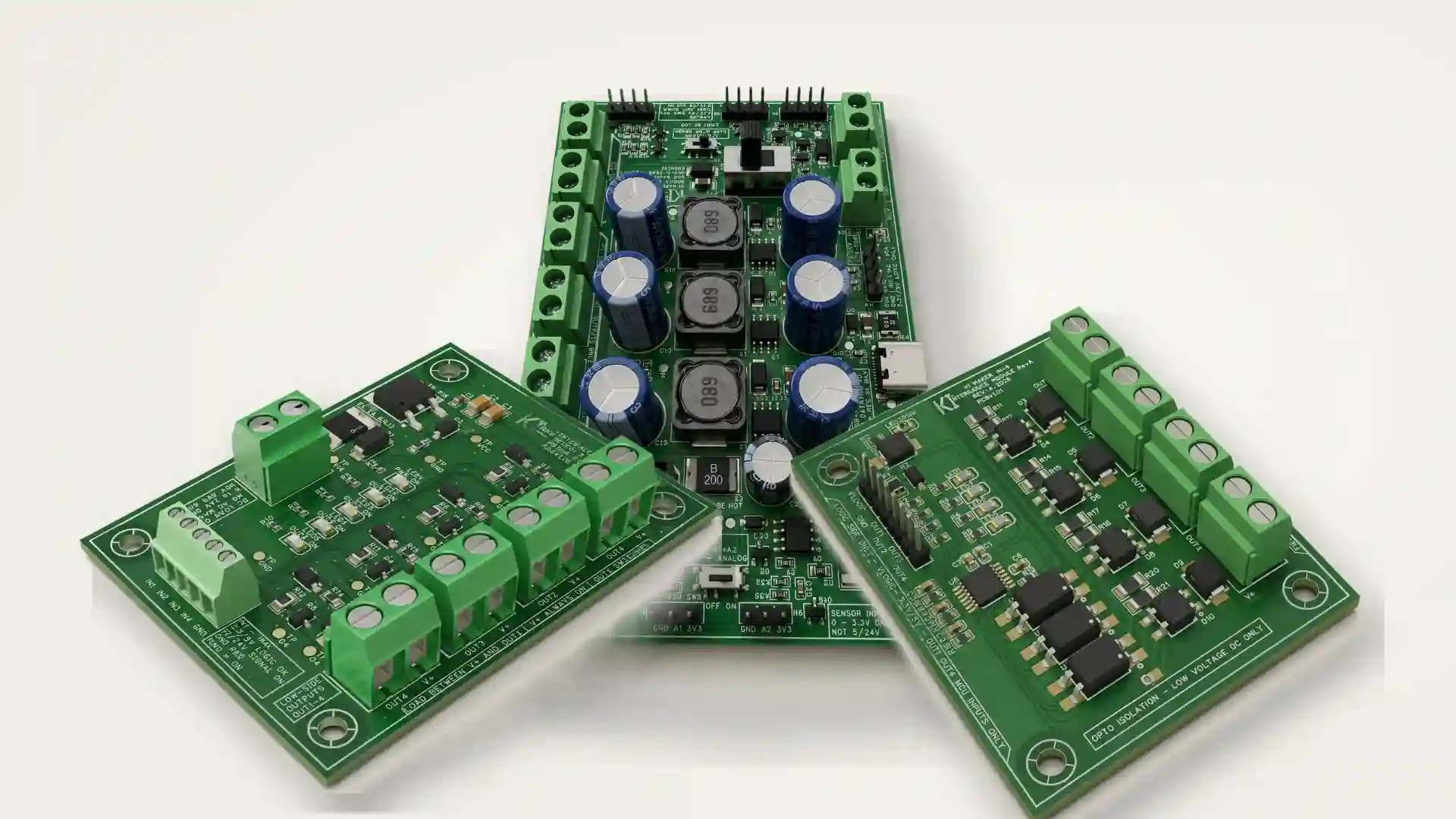
Instead of generic breakout hardware, KI Maker focuses on a small set of boards that solve common low-voltage DC wiring problems clearly and repeatably

Power Interface Board
Built to organize power paths, simplify connections, and create a cleaner base for protected low-voltage builds.
- Structured low-voltage distribution
- Cleaner project wiring layout
- Better foundation for larger builds

Output Board
Made for switching and interfacing outputs in projects that need a tidier connection path to relays, indicators, lights, or other devices.
- Cleaner output organization
- Easier wiring for connected loads
- Better project readability and serviceability

Input Board
Designed for reading external signals more cleanly when buttons, switches, or field inputs need a clearer interface to the controller.
- Practical input handling
- Clearer field-to-controller wiring
- Useful for sensors and trigger lines
Resources
Documentation is part of the product.
Documentation is a conversion tool and a trust signal.
Buyers need to understand what
the boards do, what they do not do, and
how to wire them correctly.
- Connection diagrams with labeled terminals
- Simple controller examples for supported use cases
- Clear voltage and current guidance
- Troubleshooting notes for common setup mistake
Photos, diagrams, pin explanation, and practical examples.
Short guides for relays, fans, lighting, GPIO interfacing , and common low voltage project patterns.
Highlights
Built to reduce mess, hesitation, and avoidable mistakes.
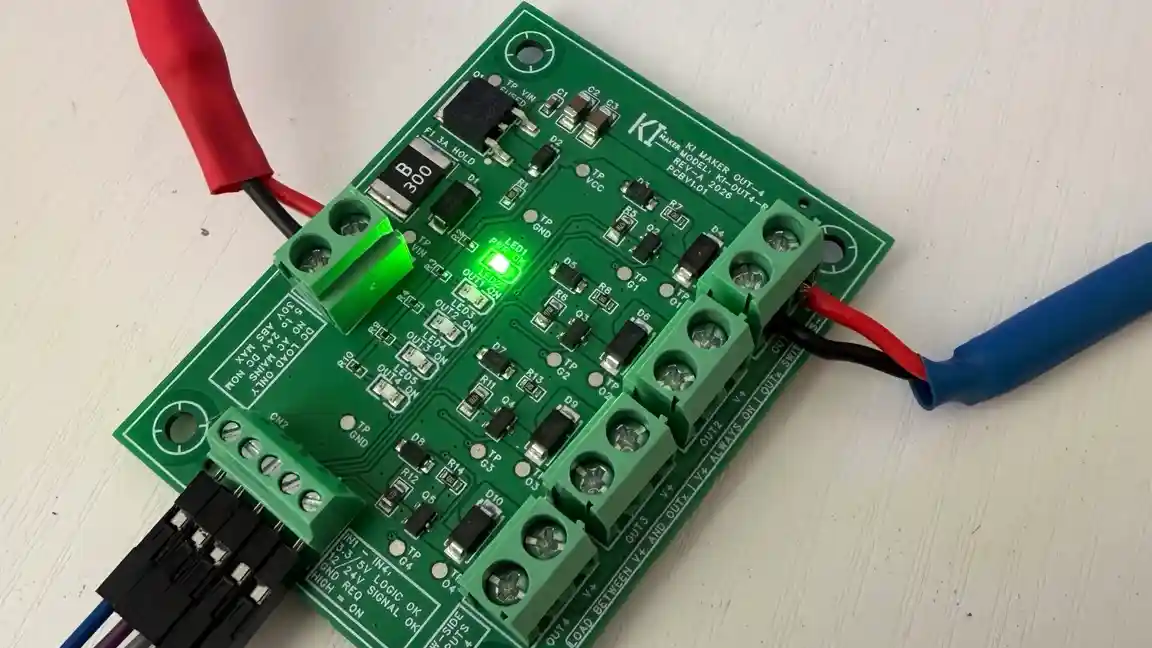
Good hardware does more than connect signals. It gives builders a cleaner path from idea to finished project by making the wiring more legible and the limits easier to understand.
What builders want
Less second-guessing. Less tangled wiring. Fewer unclear terminals. A board that looks deliberate once it is mounted in the project.
Documentation that helps
Setup notes, labels, and connection guidance reduce hesitation and shorten the path from purchase to successful build.
Protection-minded design
The product direction stays grounded in real low-voltage use instead of abstract feature lists that ignore common connection errors.
Cleaner wiring paths
Boards are easier to trust when the connection logic is visible and the project looks maintainable instead of improvised.
Applications
Built for the kinds of projects makers actually finish.
These boards fit best in projects where low-voltage control needs to stay understandable over time, not just work once on a bench.
Controller projects
Useful with Arduino, ESP32, Raspberry Pi, STM32, and similar controller-led builds that need cleaner interfaces to the outside world.
Low-voltage DC systems
Relevant for lights, fans, relays, triggers, sensors, and practical control tasks where low-voltage wiring needs better structure.
Workshop and prototype builds
Well suited to projects that evolve over time and benefit from serviceable wiring instead of a growing nest of ad hoc connections.